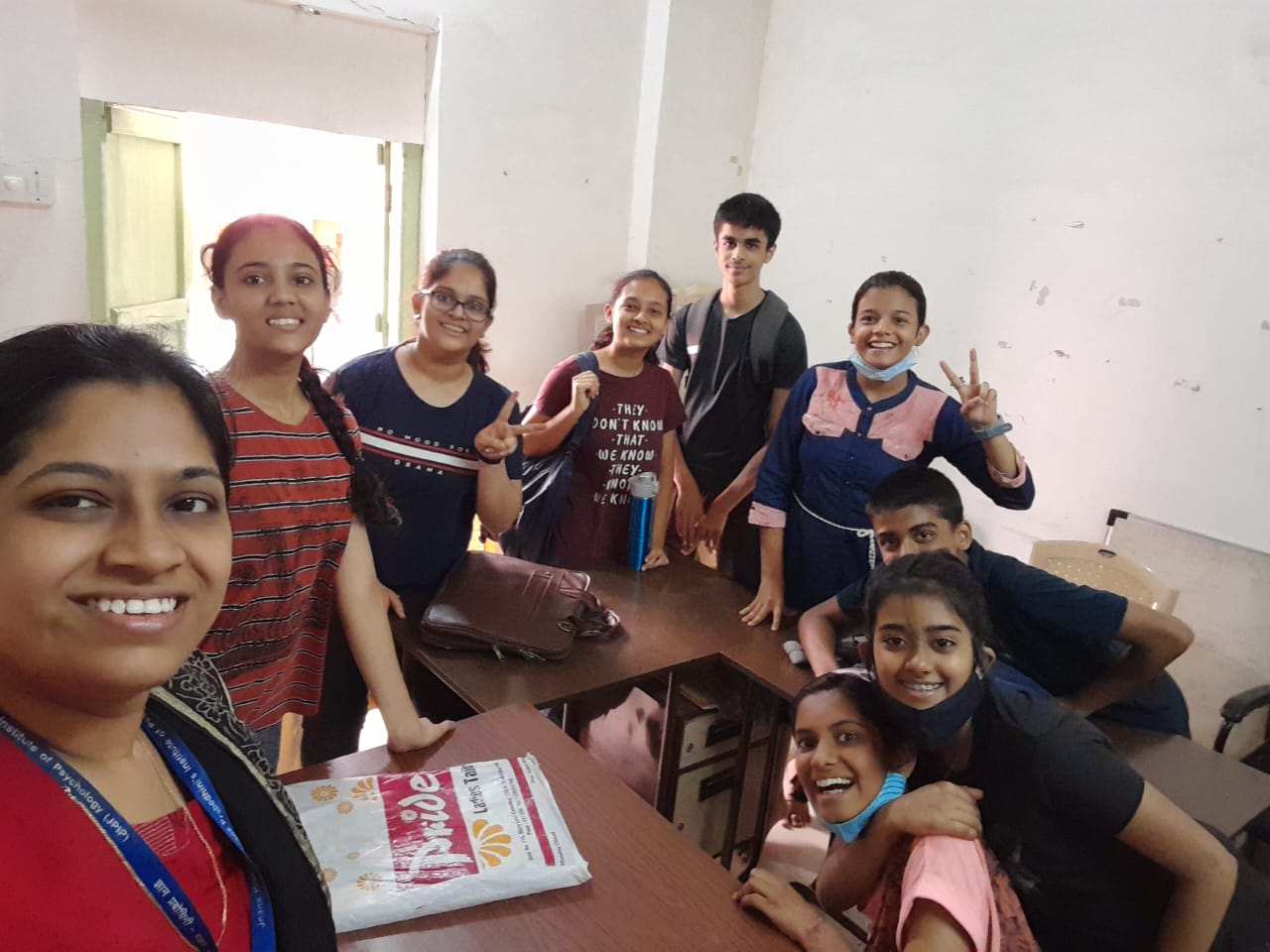
Last week, I interacted with a group of high-school students in India whom I have known for five years now. I was invited to have an open-ended virtual dialogue with them with no predefined agenda. I was excited (and a bit worried) about this interaction as high-schoolers have the unique ability to ask surprisingly awkward questions.
In the beginning, a student asked me about my plans after my Ph.D. This is the most anxiety-driving question for any Ph.D. student in the last phase of the dissertation. I wished I was not asked about it. However, we took this as an opportunity to learn about prospects after a Ph.D. wherein I explained several different paths a Ph.D. could lead to. I described what the word and world of “Academia” meant and shared my interest in it with them. It’s rare anyone ever talks about the Ph.D. track with high-schoolers, at least in my students’ experience.
Next, a student asked me an even more difficult question: what is the meaning of life. I again wished I was not asked this question. This was an opportunity to discuss three simple (?) ways to philosophize anything. I asked three counterquestions: (a) what do you mean, (b) what are your assumptions, and (c) how do you know. The three-question framework led to more questions and better clarity about the original question. I then described how I look at purpose and meaning in my life and how it could be different for different people. However, I highlighted how including a concern for others’ well-being in your life goals can lead to greater meaningfulness, satisfaction, and happiness in life.
I thoroughly enjoyed this one-hour, open-ended dialog with students and would love to do more of these in the future. As such, this format seems to balance the power difference between students and their teacher and allows for an open conversation, possibly leading to a better teacher-student relationship. What do you think?
 Aakash Chowkase