
On Mahatma Gandhi’s birth anniversary (Oct 2), I engaged in a conversation with a high school student in India on Instagram. He had posted a negative story about Gandhi (calling him harmful) to provoke one of his classmates, who supports Gandhian views. Although Gandhi is revered globally, Indians can have polarized views about him, hisContinue reading “My experiments with education: Polarization and curiosity”
Tag Archives: india
My experiments with education: Responsible leadership and trolley problems
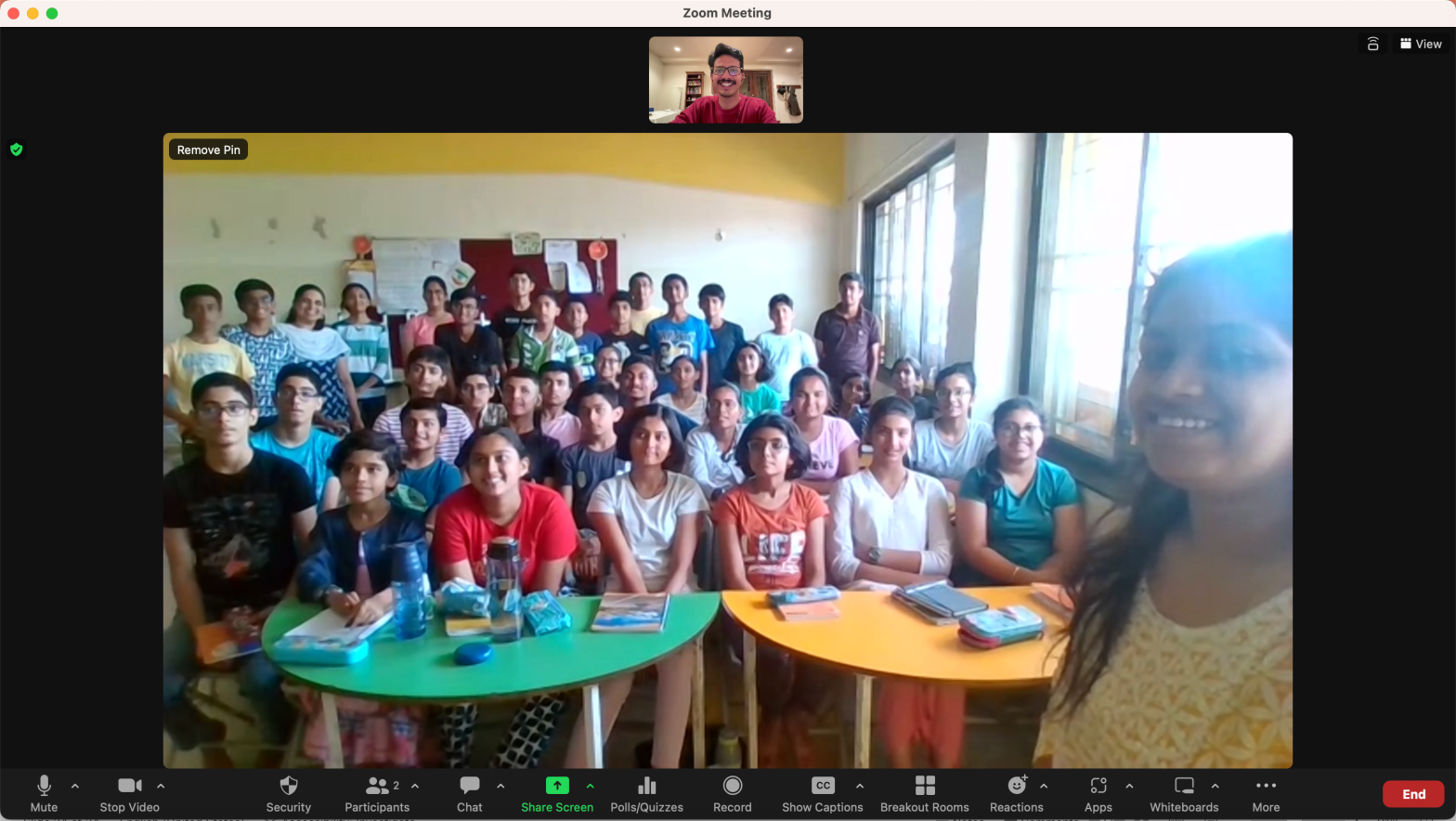
Last year, I conducted a workshop on responsible leadership (RL) at a #leadership development summer program for #adolescents in #India. I introduced the idea that leaders should assume #responsibility not only toward beneficiaries but also people, society, and the planet. After all, we have plenty of irresponsible leaders in the world. I also introduced 5Continue reading “My experiments with education: Responsible leadership and trolley problems”
Navarasa: The Nine Flavors of Emotions

My Sister, Antara Chowkase–a passionate artist and a master of portraits–draws a series of nine portraits every Navaratri. Crazy that she is, she draws one portrait a day during the nine-night festival (huge respect!). This year, she explored the theme of Navarasa, a unique feature of the Indiana theory of Natya Shastra attributed to BharataContinue reading “Navarasa: The Nine Flavors of Emotions”
My experiments with education: Open-ended dialog
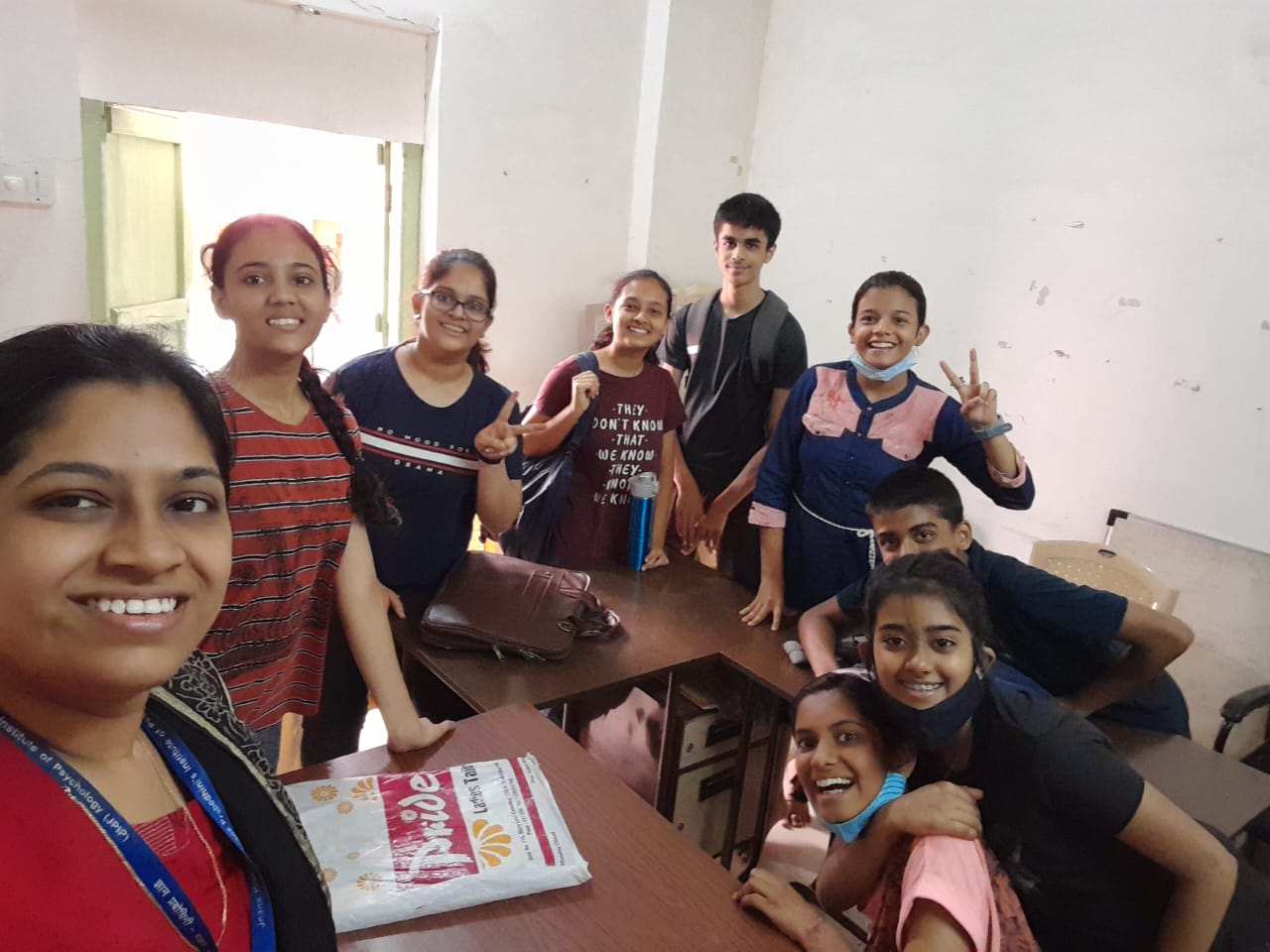
Last week, I interacted with a group of high-school students in India whom I have known for five years now. I was invited to have an open-ended virtual dialogue with them with no predefined agenda. I was excited (and a bit worried) about this interaction as high-schoolers have the unique ability to ask surprisingly awkwardContinue reading “My experiments with education: Open-ended dialog”
My experiments with education: Responsible leadership

I like to experiment with teaching new topics. Today (18 May 2022), I conducted a session on responsible leadership for 40 6th to 8th-grade students. This was a part of an ongoing leadership development camp at Jnana Prabodhini’s Institute Of Psychology. Although responsible leadership training is quite popular in the business world, I doubt if itContinue reading “My experiments with education: Responsible leadership”
How do I crack a highly competitive examination? First examine your motivation

In this post, I am taking a deviation from reading motivation to write about a very different topic that I had to address a group of parents in India last year. I was invited by my school’s principal to speak at the parent-teacher meeting. I had the task to address a large group of parentsContinue reading “How do I crack a highly competitive examination? First examine your motivation”
How can we motivate students to read? Part 4

Goal Orientation Theory Turning to goal orientation theories changes the discussion from the nature of goals to reasons and purposes for doing a task to attain a goal. The main question thus becomes why an individual engages with a goal. Three broad categories of goal orientations are well researched, viz, mastery goals, performance goals, andContinue reading “How can we motivate students to read? Part 4”
How do we motivate students to read? Part 3

In this post, I will continue from where I left in part 2 of this series. I will discuss aspects of our reading intervention that can be explained with social cognitive theories. This is a short post. Let’s begin. Social Cognitive Theory Social cognitive theory posits that individuals learn through observations of social interactions inContinue reading “How do we motivate students to read? Part 3”
How do we motivate students to read? Part 2

In this blog post, I will elaborate on the application of the expectancy-value theory by Eccles and colleagues. This is a foundation theory in motivation and learning. I will describe this theory with the example of a reading intervention explained in the first part of this blog series. If you have not read part one,Continue reading “How do we motivate students to read? Part 2”
How do we motivate students to read? Part 1

Reading is arguably the most researched domain in educational research. Reading has two aspects: cognitive and motivational. For a long time, reading researchers have focused more on the cognitive aspect than the motivational aspect (Wigfield, 1997). Because reading holds a fundamental place in academic and non-academic endeavors, it becomes important for educators to find answersContinue reading “How do we motivate students to read? Part 1”
 Aakash Chowkase